
What Is Bone Grafting and Why Do You Need It?
If you’ve recently been told you need a bone graft, you might be feeling unsure or even a little nervous. The term sounds complex, but bone grafting is actually a common and highly predictable dental procedure. In many cases, it’s the key step that makes long-term treatments like dental implants possible.
Understanding what bone grafting is — and why it’s sometimes necessary — can help you feel more confident about your treatment plan.
Why Bone Loss Happens in the Jaw
Your jawbone is designed to support your teeth. Every time you chew, your tooth roots stimulate the surrounding bone tissue. This stimulation keeps the bone strong and healthy.
However, when a tooth is lost or extracted, that stimulation disappears. Without it, the body naturally begins to resorb, or shrink, the bone in that area. Over time, this can lead to noticeable bone loss.
Bone deterioration can happen for several reasons, including:
-
Missing teeth
-
Advanced gum disease (periodontitis)
-
Facial trauma or injury
-
Long-term denture wear
The longer a tooth has been missing, the more bone loss may occur. In some cases, there may not be enough healthy bone left to securely support a dental implant without rebuilding the area first.
What Exactly Is a Bone Graft?
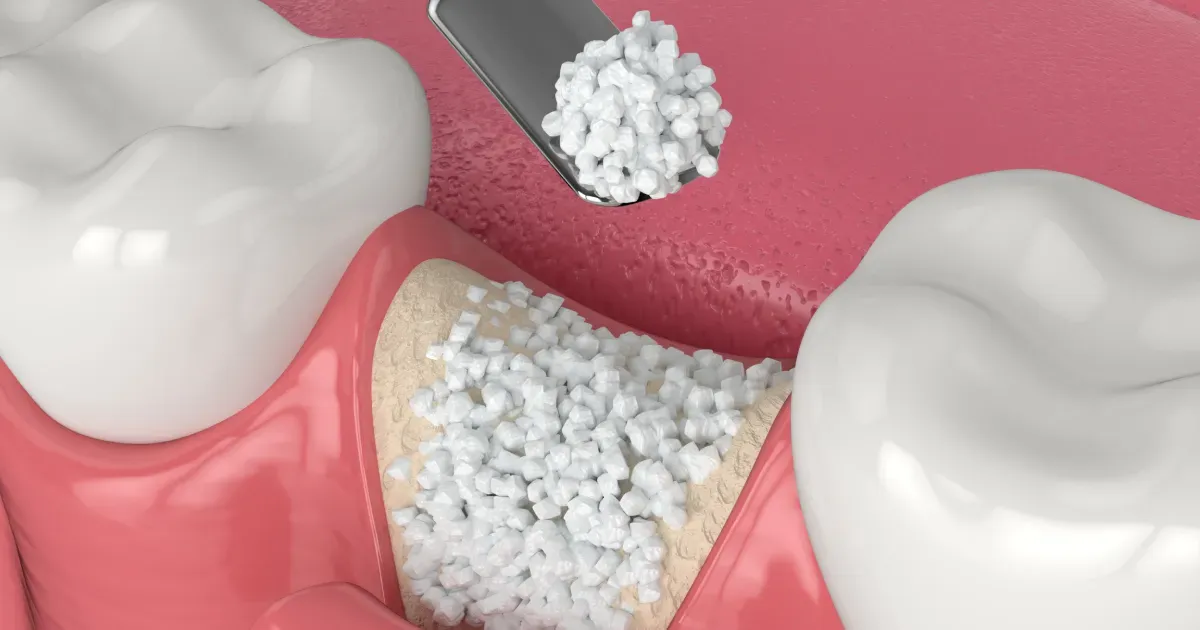
A bone graft is a procedure that rebuilds or strengthens areas of the jaw where bone has been lost. During treatment, grafting material is placed in the area where additional bone support is needed.
This material acts as a framework, encouraging your body to generate new bone cells over time. As the area heals, your natural bone integrates with the grafting material, creating a solid, stable foundation.
The grafting material may come from your own body, a donor source, or synthetic materials designed to safely promote bone regeneration. Our team will recommend the best option based on your specific needs.
What to Expect During Healing
One of the most common questions patients ask is how long bone grafting takes to heal. The answer depends on the size of the graft and your individual healing process, but most patients require several months for the bone to fully integrate.
During this healing period, the new bone becomes strong enough to support a dental implant or other restorative treatment. While waiting may feel like a delay, it’s an important investment in the long-term success of your smile.
The good news is that bone grafting is typically well tolerated. Most patients report mild discomfort that can be managed with medication and proper aftercare instructions.
Why Bone Grafting Is Worth It
Although bone grafting adds an extra step to your treatment plan, it offers significant long-term benefits.
Rebuilding lost bone helps:
-
Create a stable foundation for dental implants
-
Preserve your facial structure and prevent a sunken appearance
-
Improve chewing function and bite stability
-
Support long-term oral health
Without sufficient bone support, dental implants may fail or feel unstable. Bone grafting dramatically increases the chances of long-lasting, successful results.
Protecting Your Smile and Your Confidence
Beyond function, bone grafting also plays a role in maintaining your facial appearance. Significant bone loss in the jaw can cause changes in facial shape, especially around the mouth and cheeks. Rebuilding bone helps maintain natural contours and supports a more youthful look.
If you’ve been considering dental implants but were told you’re not a candidate due to bone loss, bone grafting may open the door to restoring your smile.
A Strong Foundation for Long-Term Results
Bone grafting may sound intimidating at first, but it is a routine, effective solution for rebuilding jawbone and preparing for future dental work. Think of it as strengthening the foundation before building a house. A solid base ensures everything placed on top is stable and secure.
If you’ve been told you need a bone graft — or if you’re exploring options for replacing missing teeth — we’re here to guide you through every step. Schedule a consultation with our office to learn whether bone grafting is right for you. Our team will evaluate your jaw health, explain your options clearly, and create a personalized treatment plan designed for long-term success.
A stronger foundation today can lead to a healthier, more confident smile for years to come.